
Embroidery vs Screen Printing for Workwear: Which is Better?
- Greg Costaras
- Clothing
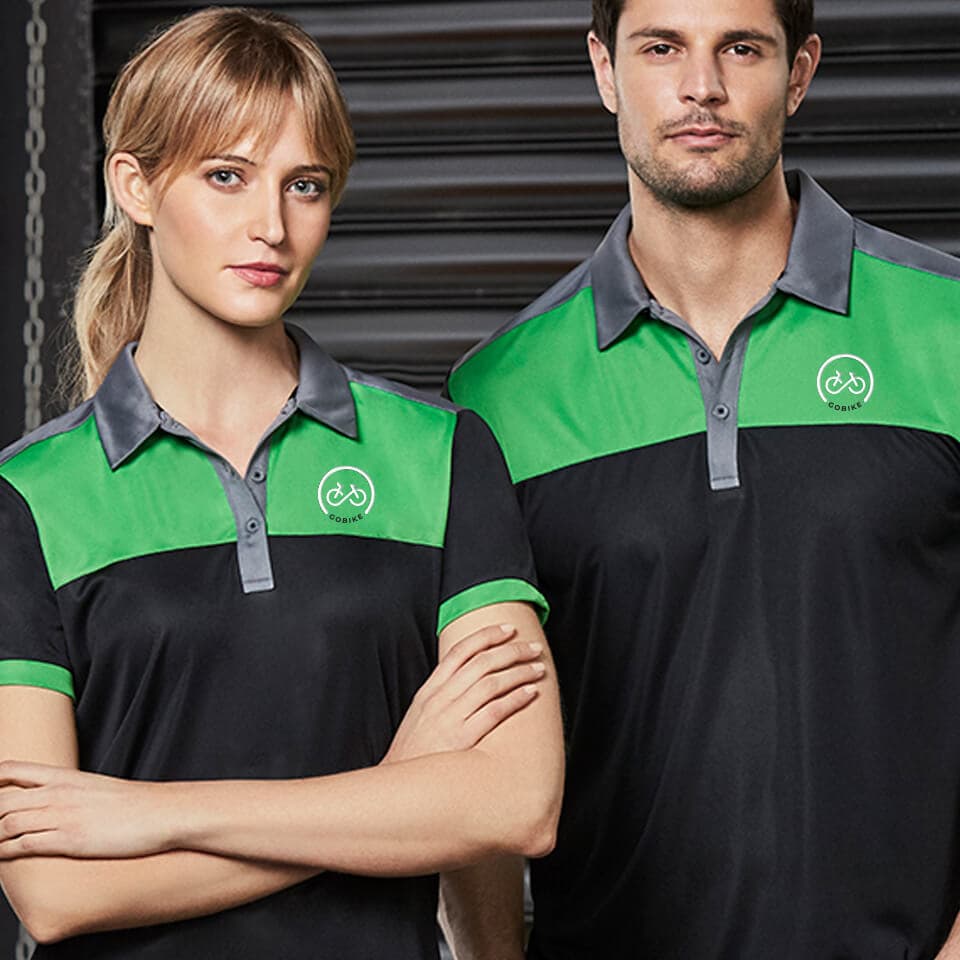
What’s the best way to get your logo on your branded workwear, embroidery or screen printing?
Both are popular options for branded workwear in Australia, both deliver professional results, and both have situations where they’re clearly the better choice.
The truth is, each method has its own strengths and weaknesses; one lasts longer, one prints sharper and brighter, one suits certain fabrics better than the other.
This guide breaks down the key differences so you can choose the best logo printing for uniforms, workwear and more.
Not sure which method is right for your workwear? Gorilla Print is here to help, with tailored advice, an in-house graphic design team, and Australia-wide delivery.
Embroidery vs Screen Printing for Workwear: Which is Better? — in summary
- Embroidery stitches the logo directly into the fabric using a digitised stitch file, while screen printing pushes ink through a mesh screen onto the fabric one colour at a time
- Embroidery is the more durable option for workwear, with colourfast thread that holds up through frequent, high-temperature washing
- For small quantities and repeat orders, embroidery is generally more cost-effective. Screen printing becomes more economical at large quantities, where the per-unit cost drops significantly once screens are made
- Embroidery works best on thicker, structured fabrics such as polo shirts, drill shirts, jackets, and headwear;
- Embroidery suits clean, defined logos with a limited colour palette, while fine detail, thin lines, and gradients are difficult to reproduce accurately in stitch form
- The right choice comes down to the garment, order size, logo design, wash frequency, and whether repeat orders are anticipated
Embroidering Your Workwear
Embroidery uses a needle and thread to stitch your logo directly into the fabric. Before anything goes near a machine, your logo is digitised. This means it’s converted into a stitch file that tells the machine exactly where each stitch goes, in which direction, and in which thread colour.
Most commercial machines can run up to 15 thread colours per job. At Gorilla Print, digitising has a one-off setup cost; once your logo is on file, every future order uses the same file at no extra charge.
Screen Printing Done Right
Screen printing pushes ink through a mesh screen directly onto the fabric, one colour at a time. Each colour in your design requires a separate screen, which is why setup costs are colour-dependent; a four-colour logo needs four screens.
Once the screens are made, each garment is loaded individually, printed, and passed through a tunnel dryer that cures and sets the ink.
The setup cost is higher than embroidery for multi-colour logos, but once the screens are made, the per-unit cost of printing each additional garment drops significantly.
Durability: Which Method Lasts Longer?
For workwear that gets washed frequently, sometimes daily, and often at higher temperatures, durability is the most important factor in choosing a decoration method.
Embroidery wins here. The thread is colourfast and doesn’t respond to wash temperature or detergent the way ink does. A well-embroidered chest logo will look as sharp after 100 washes as it did after the first.
Quality screen printing on cotton can last 30 to 50 washes before showing visible wear, such as cracking, fading, or peeling around the edges of the design.
For a promotional t-shirt worn occasionally, that’s acceptable. For a work polo going through the wash three to five times a week, it’s a problem.
If longevity is the priority, embroidery is the clear choice for workwear.
Cost: Which Method is Cheaper?
The honest answer is that it depends on your order size, your logo complexity, and whether you anticipate repeat orders.
As a general guide:
- Small Quantities: Embroidery is almost always more economical. The digitising fee is a flat one-off cost that doesn’t vary based on the number of colours in your logo, whereas screen printing charges per screen, per colour.
- Large Quantities: Screen printing becomes more cost-effective. Once the screens are made, the per-unit printing cost is very low, and that saving compounds across large runs.
- Repeat Orders: Embroidery has a clear advantage. Your digitised logo file is kept on record and reused at no extra setup cost. Screen printing requires screens to be remade for each new run, even if the design hasn’t changed.
Logo size also affects the calculation. Large embroidered designs require more stitches, more thread, and more machine time, which increases the cost. For large back prints or oversized chest logos, screen printing is almost always the cheaper option.
Which Garments Suit Each Method?
The garment itself plays a big role in determining which decoration method will give you the best result.
Embroidery
Works best on thicker, structured fabrics that have enough body to hold the stitching without distorting. It also carries a more professional, premium appearance that suits corporate and trade environments. Best for:
- Polo shirts and business shirts
- Drill shirts and work shirts
- Caps and headwear
- Jackets and hoodies
Screen Printing
Works best on flat, smooth, lightweight fabrics with a large decoration area. Embroidery on lightweight fabrics can cause puckering; the stitching creates tension that pulls and distorts the fabric around the logo. Ideal for:
- T-shirts and singlets
- Lightweight hoodies for large runs
- Large back prints or oversized logos on any garment
Logo Size and Complexity
Your logo itself can determine which method is the right fit, regardless of what garment you’re putting it on.
Embroidery is best suited to logos with defined shapes, clean lines, and a limited colour palette. Fine detail, thin lines, very small text, and gradients are difficult to reproduce cleanly in stitch form; the needle simply can’t replicate the precision of ink at a small scale.
Screen printing handles a wider range of designs as long as you’re working within a colour count. Bold, flat-colour logos reproduce well at almost any size. For full-colour, photographic, or gradient artwork, screen printing has its own limits.
Embroidery vs Screen Printing Workwear: Which Should You Choose?
There’s no single right answer; it depends on your garment, your order size, your logo, and how the clothing is going to be used. Ask yourself these questions to narrow it down.
- What garment are you decorating?
- How many are you ordering?
- What does your logo look like? Is it simple and defined, or complex and full-colour?
- How often will the garment be washed?
- Are you planning repeat orders down the track?
If you’re still not sure, the Gorilla Print team offers both methods and will recommend the right one for your specific brief.
Work With a Team That Offers Every Printing Option
Choosing the right decoration method is only half the job; you still need a supplier who can deliver it properly. Gorilla Print has extensive experience branding clothing for businesses, trade teams, and organisations across Australia.
With an in-house graphic design team to help with artwork, digitising, and refining your logo, we’ll help you deliver the best possible result.

Greg Costaras
With over 25 years in print design and production, Greg is a specialist in the field, helping thousands of clients achieve their print dreams over that period.
Share This Post
More Posts
What Is the Difference Between Day and Night Hi-vis?
September 22, 2026

Embroidered vs Printed Polo Shirts
September 15, 2026
Basketball, Soccer or Rugby: Choosing the Right Uniform Style
September 8, 2026
What Makes Good Quality Workwear?
September 1, 2026