
Understanding Australian Hi-Vis Standards
- Greg Costaras
- Clothing
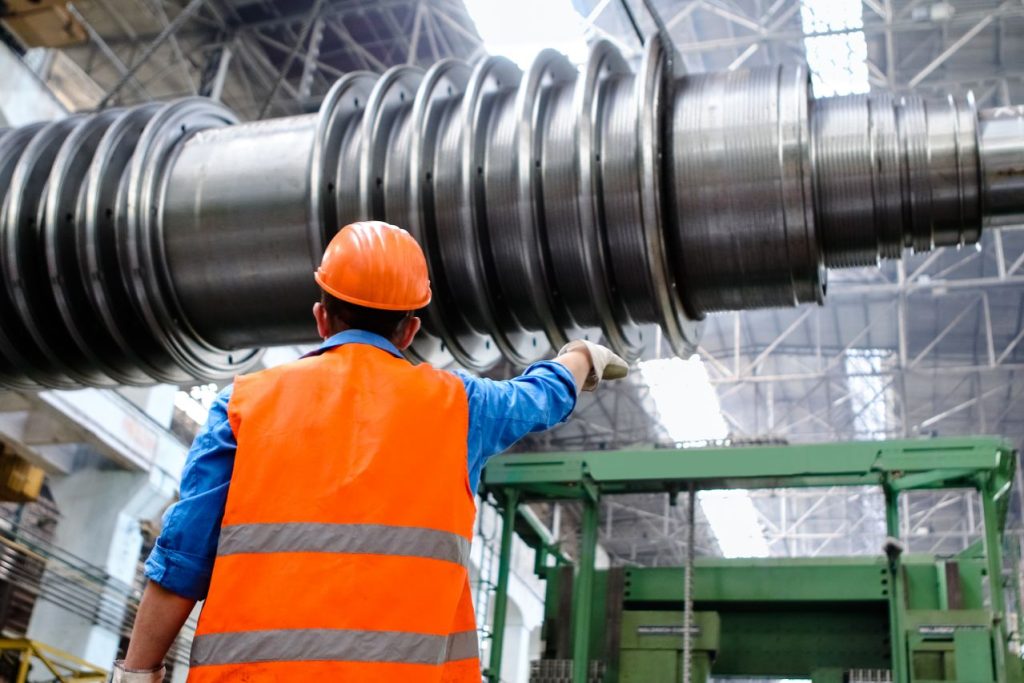
Hi-vis workwear is a legal requirement across most Australian worksites, but for many employers, the rules around what actually makes a garment compliant are less clear than they should be.
The wrong purchase can leave workers exposed and businesses liable, and with non-compliant hi vis widely available at competitive prices, it’s easier than most people realise to get it wrong.
This guide breaks down the hi-vis standards in Australia, what they mean in practice, and what employers need to know about high-visibility clothing requirements, including how to put your brand on site without compromising compliance.
Looking for personalised hi vis that meets Australian standards? Gorilla Print stocks a full range of compliant hi vis workwear, ready to be branded with your logo.
Understanding Australian Hi-Vis Standards — in summary
- Hi-vis compliance is determined by garment design, colour, coverage, and reflective tape, not just brightness
- Two standards govern hi-vis workwear in Australia: AS/NZS 4602.1:2024, which covers garment design requirements, and AS/NZS 1906.4:2023, which governs the materials used
- Under AS/NZS 4602.1:2024, fluorescent fabric must cover a minimum of 0.4m² of the upper torso and encircle the entire body
- Only specific colours are approved under the Australian standard, including orange-red, yellow, green, pink, and orange
- General guideline: a logo no larger than 10cm x 10cm will not affect compliance; anything larger risks reducing the compliant fluorescent coverage area below the required minimum
- Suitable decoration methods for hi-vis include embroidery, screen printing, and heat transfer, each with different suitability depending on the garment type
Why Hi-Vis Compliance Matters for Employers
Hi-vis workwear is one of the most visible safety measures on any Australian worksite, but wearing a bright yellow shirt doesn’t automatically mean a worker is compliant.
Australian hi-vis standards are specific, legally enforceable, and the employer’s responsibility to uphold. Non-compliant hi-vis can fail to provide adequate visibility in the conditions it’s worn in, and that’s a safety issue, not just a paperwork one.
A few things every employer needs to know:
- Compliance is determined by garment design, colour, coverage, and reflective tape, not just brightness.
- Cheap or imported hi-vis that doesn’t meet Australian standards is widely available and commonly purchased.
- Employers are responsible for ensuring garments are compliant at the point of issue and remain so throughout their working life.
The standard your hi vis needs to meet depends on the work being done, the environment, and the time of day.
The Two Key Australian Hi Vis Standards
Two standards govern high-visibility workwear in Australia, and understanding both is essential before you purchase a single garment for your team.
AS/NZS 4602.1:2024
The primary garment standard. It applies to workers exposed to hazards from moving vehicles, plant, or equipment, covering construction sites, warehouses, traffic management, mine sites, and similar environments.
Key requirements include:
- Fluorescent fabric must cover a minimum of 0.4m² of the upper torso and encircle the entire body
- Logos, text, or printed graphics cannot be counted toward the required coverage area
- Alterations, screen prints, or attachments not incorporated into the original product may void the garment’s compliance
- Class D garments must never be worn for visibility purposes at night
AS/NZS 1906.4:2023
This standard governs the materials used in hi-vis garments. It classifies materials into three types: Class F (fluorescent, daytime use), Class R (retroreflective, night use), and Class RF (fluorescent and retroreflective, day and night).
Key requirements include:
- Retroreflective tape must be a minimum of 50mm wide
- Most standard reflective tapes are only compliant for approximately 30 wash cycles, after which reflective properties degrade, and the garment may no longer meet the standard
- Fabrics must meet minimum chromaticity and luminance requirements before and after UV exposure and washing
- Natural fibre garments have a lower chromaticity level and more limited applications under the standard
Approved Hi-Vis Colours
Not every bright colour qualifies as compliant hi vis. Under the Australian standard, only specific colours are approved, and the garment must feature enough of that colour in the right place to meet the minimum coverage requirement.
Approved colours under AS/NZS 4602.1:2024:
- Orange-red
- Red
- Yellow
- Green
- Pink
- Orange
- Yellow (restricted)
Colours outside this list are not recognised as compliant hi vis colours on Australian worksites, regardless of how bright they appear.
Yellow is the most widely used hi-vis colour in Australia and sits at the brightest end of the chromaticity scale. Orange carries strong hazard recognition and is commonly used in traffic management and road work environments.
The right choice for your worksite will depend on the environment and the recommendation of your health and safety officer.
Can You Brand Hi-Vis Workwear?
Branded hi-vis is one of the most effective ways to keep your team looking professional on-site, but there are rules around how and where you apply a logo, and getting it wrong can affect the garment’s compliance.
The key rule is size. As a general guideline, a logo that takes up no more than 10cm x 10cm will not affect the compliance of a Class D or D/N garment.
Anything larger risks reducing the compliant fluorescent coverage area below the required 0.4m² minimum, which can render the garment non-compliant.
Decoration methods suitable for hi-vis workwear:
- Embroidery: The most common and durable method for branding hi-vis. Embroidered logos can be placed on the chest, sleeve, or back without affecting the fabric’s fluorescent properties. Note that embroidery on waterproof jackets may impair water resistance.
- Screen Printing: A cost-effective option for larger quantities, but may not be suitable for all hi-vis fabrics, particularly those with treated or inherent properties. Always confirm suitability with your supplier before proceeding.
- Heat Transfer: A good option for waterproof and technical hi-vis garments where embroidery isn’t suitable. Modern heat transfer methods offer strong colour vibrancy and are typically tested to 50+ washes.
At Gorilla Print, we produce branded hi vis workwear across a full range of garment types, from polos and shirts to vests, hoodies, and jackets.
We use embroidery, screen printing, and more to suit the garment and the application. All branding is applied with compliance in mind.
Need Compliant, Branded Hi-Vis for Your Team?
Keeping your team safe, compliant, and looking the part on site is a lot to manage. Gorilla Print makes that part easy. With over 200 clients served every month and an in-house graphic design team ready to bring your logo to life, we handle the process from first enquiry to final delivery, anywhere in Australia.

Greg Costaras
With over 25 years in print design and production, Greg is a specialist in the field, helping thousands of clients achieve their print dreams over that period.
Share This Post
More Posts
What Is the Difference Between Day and Night Hi-vis?
September 22, 2026

Embroidered vs Printed Polo Shirts
September 15, 2026
Basketball, Soccer or Rugby: Choosing the Right Uniform Style
September 8, 2026
What Makes Good Quality Workwear?
September 1, 2026