
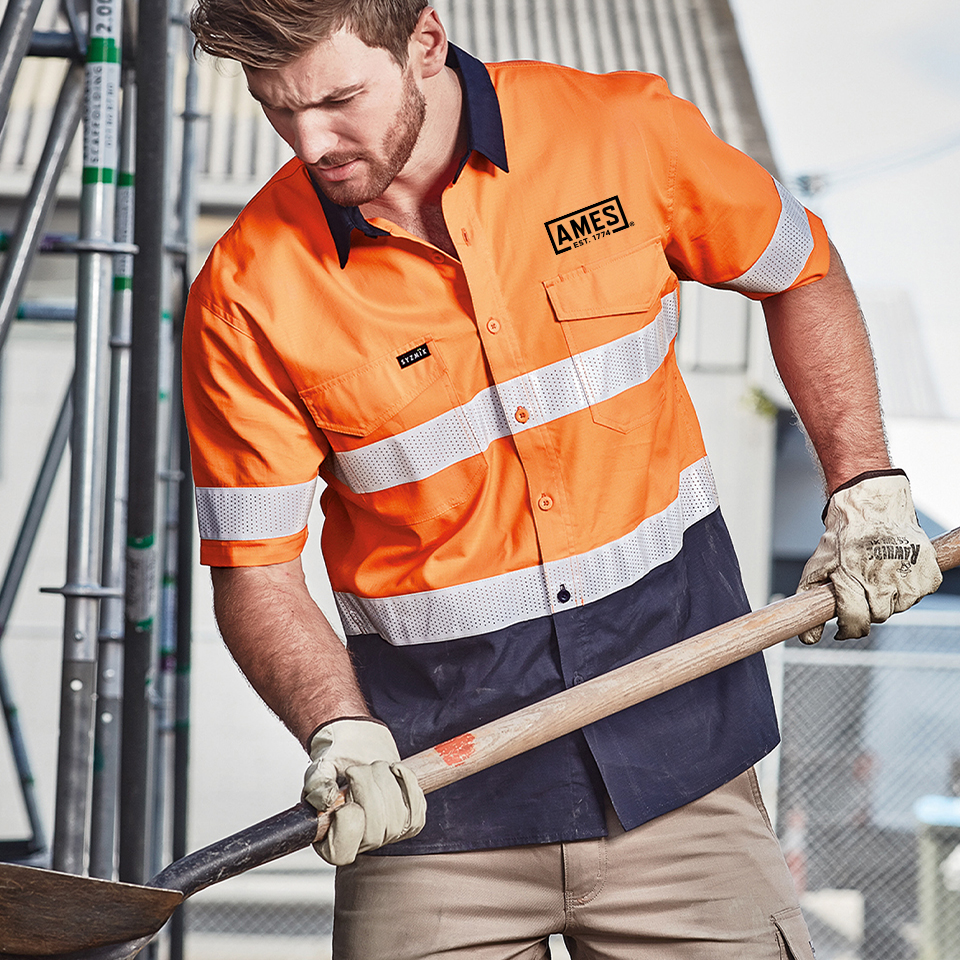
Not all hi-vis is built the same, and wearing the wrong class on site is more than a fashion mistake. A vest that keeps you visible on a sunny afternoon can be almost invisible to a driver at dusk, because daytime and night-time hi-vis rely on completely different materials to do their job. Getting this wrong is a real safety risk, not just a compliance technicality.
This guide breaks down exactly what separates Class D, Class N and Class D/N hi-vis, so your team ends up in custom hi-vis workwear that actually suits when and where they work.
Article Summary
- Class D hi-vis uses fluorescent material and is designed for daytime visibility only, becoming far less effective once light fades.
- Class N hi-vis uses retroreflective tape and is built for night-time or low-light visibility, not daytime use.
- Class D/N hi-vis combines both fluorescent fabric and retroreflective tape, giving visibility across day and night conditions.
- These classifications come from the Australian Standard AS 4602.1:2024, not from individual brands or suppliers.
- The right class depends on when and where your team works, not just personal preference or budget.
- Gorilla Print’s hi-vis range can be customised with your logo without compromising the garment’s visibility classification.
Why Day and Night Hi-vis are Not the Same
Daytime and night-time visibility rely on two different physical properties, which is why one garment cannot always do both jobs well. Daytime hi-vis works through fluorescent colour that stands out against natural light, while night-time hi-vis works through retroreflective tape that bounces vehicle headlights straight back to the driver’s eyes.
A fluorescent vest with no reflective tape will fade into the background after dark, and a garment covered only in reflective tape with no fluorescent colour will look dull and easy to miss in daylight. This is exactly why the Australian Standard AS 4602.1:2024 splits hi-vis garments into separate classes rather than treating all high-visibility clothing as interchangeable.
What Is Class D Hi-vis?
Class D hi-vis is designed for daytime use only, using fluorescent background material to stand out under natural daylight. It is not built to be seen under artificial light or after dark, so wearing Class D hi-vis at night does not provide the visibility a night shift actually needs.
Key features of Class D hi-vis:
- Fluorescent yellow, orange or red background fabric
- Effective under daylight and overcast conditions
- No retroreflective tape required
- Suited to daytime outdoor roles such as warehouse or yard work in daylight hours
Because Class D garments rely on colour rather than reflection, their effectiveness drops sharply once natural light fades.
What Is Class N Hi-vis?
Class N hi-vis is designed specifically for night-time or low-light use, relying on retroreflective tape rather than fluorescent colour to be seen. The tape is positioned in specific patterns across the body so it catches and reflects light from vehicle headlights or torches back toward the source.
Key features of Class N hi-vis:
- Retroreflective tape in defined patterns, often around the arms, legs and torso
- Designed for effectiveness under artificial light and darkness
- Not intended to provide daytime visibility on its own
- Common in roles that start before sunrise or continue after sunset
Class N garments are built around reflection rather than colour, which is why they are not a substitute for daytime fluorescent hi-vis.
What Is Class D/N Hi-vis?
Class D/N hi-vis combines both fluorescent background fabric and retroreflective tape, giving wearers visibility across daytime, low-light and night-time conditions in a single garment. This makes it the most versatile option for teams whose shifts span different lighting conditions.
Key features of Class D/N hi-vis:
- Fluorescent fabric for daytime visibility
- Retroreflective tape for night-time and low-light visibility
- Suited to roles with variable shift times or year-round outdoor work
- The most common choice for construction and roadside work in Australia
Because Class D/N garments meet both daytime and night-time requirements, they remove the need to carry two separate garments for different shifts.
Class D vs Class N vs Class D/N: Side-by-Side Comparison
Placing the three classes side by side makes it easier to match the right one to your team’s working hours.
| Factor | Class D | Class N | Class D/N |
|---|---|---|---|
| Material | Fluorescent fabric | Retroreflective tape | Fluorescent fabric plus retroreflective tape |
| Best for | Daytime outdoor work | Night-time or low-light work | Work spanning day, dusk and night |
| Daytime visibility | Yes | No | Yes |
| Night-time visibility | No | Yes | Yes |
| Common use | Warehouse, yard work | Night shifts, early starts | Construction, roadside, traffic control |
How to Choose the Right Class for Your Team
Match the hi-vis class to when and where the work actually happens, not just to what looks most familiar. A team that only ever works daylight hours indoors has very different needs to a crew working roadside shifts that run into the evening.
A simple way to think about it:
- Choose Class D for daytime-only outdoor roles with no evening or early-morning work
- Choose Class N for night shifts or work that happens entirely after dark
- Choose Class D/N for roles with variable hours, roadside work, or year-round outdoor shifts
On-site traffic management is a good example of where this matters in practice. According to WorkSafe Queensland’s guidance on on-site traffic management, high-visibility clothing is one of the personal protective measures businesses can use to manage the risk of pedestrians and vehicles interacting in a workplace. Confirm the exact class required for your site with your safety officer or state WHS regulator, since requirements can vary by industry and risk assessment.
Branding and Customisation Without Losing Compliance
Adding your logo to hi-vis workwear does not have to come at the cost of its visibility classification, as long as branding is placed correctly. Logos and company names should sit within the non-reflective sections of the garment, leaving the fluorescent and retroreflective areas required by the standard fully intact.
“The biggest mistake we see is a logo placed right over the reflective tape. It looks fine on the mockup, but it can genuinely reduce how visible that person is at night.”
– Michelle Hallet, Senior Designer
- Keep branding clear of retroreflective tape and biomotion strips
- Use chest or upper-back placement where fluorescent coverage allows
- Confirm your supplier understands hi-vis compliance, not just apparel printing
Frequently Asked Questions
What does Class D hi-vis mean?
Class D means the garment uses fluorescent material and is rated for daytime visibility only, with no retroreflective tape required.
Can I wear Class D hi-vis at night?
Class D hi-vis is not designed for night-time visibility, since it relies on fluorescent colour rather than reflective tape, so it should not be relied on after dark.
What is the difference between Class N and Class D/N?
Class N uses retroreflective tape for night-time visibility only, while Class D/N combines that tape with fluorescent fabric to cover both day and night conditions.
Do I need Class D/N for construction work?
Many construction and roadside roles require Class D/N due to variable shift times and proximity to traffic, but the exact requirement depends on your site’s risk assessment and state WHS regulator guidance.
Get Compliant Hi-vis Workwear From Gorilla Print
Once you know which hi-vis class suits your team’s working hours, the next step is getting your logo onto the garment without compromising its visibility. Gorilla Print’s team can help you choose the right hi-vis class and placement for your branding, from first mockup through to delivery.
Get a free quote on custom hi-vis workwear from Gorilla Print today, and see a mockup before anything goes into production.

Greg Costaras
With over 25 years in print design and production, Greg is a specialist in the field, helping thousands of clients achieve their print dreams over that period.
Share This Post
More Posts
Embroidered vs Printed Polo Shirts
September 15, 2026

Basketball, Soccer or Rugby: Choosing the Right Uniform Style
September 8, 2026
What Makes Good Quality Workwear?
September 1, 2026